Call us (256) 309-7560
  tadsmetalworks@gmail.com



Cable Railing Installation and Fabrication Hartselle, AL
Cable railing is a practical choice when you want a barrier without blocking the view. It works well on decks, stairs, balconies, and walkways where visibility matters but safety still comes first. At TADS Metalworks, we fabricate and install cable railing systems that are built to stay tight, aligned, and secure over time.
We do not install pre-made kits. Every system is measured on site, fabricated to fit the structure, and installed with proper anchoring and tensioning.
If you're planning a cable railing project in Hartselle, we can review the layout and give you a transparent estimate. We look forward to hearing from you and helping create a railing system that you will love for many years.
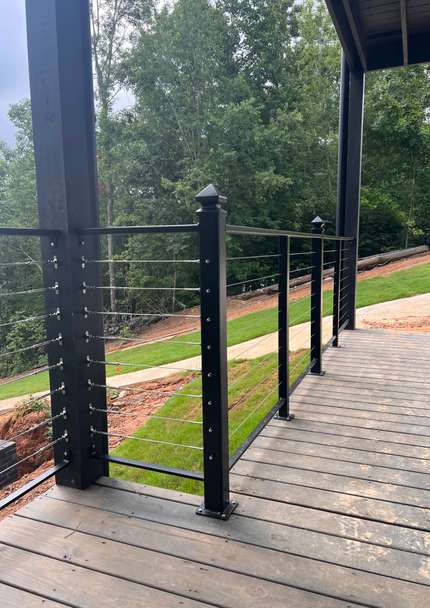
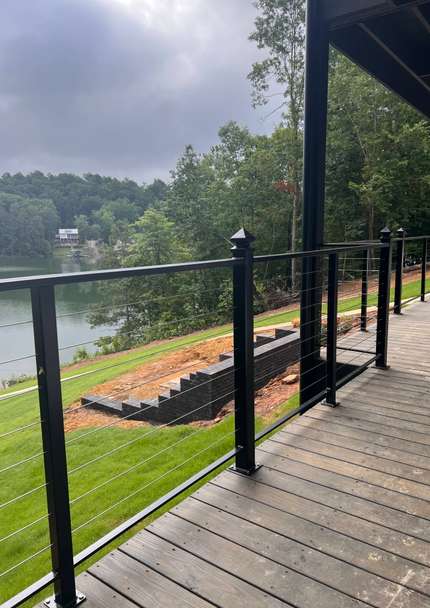
Cable Railing That Keeps the View Open and the Structure Solid
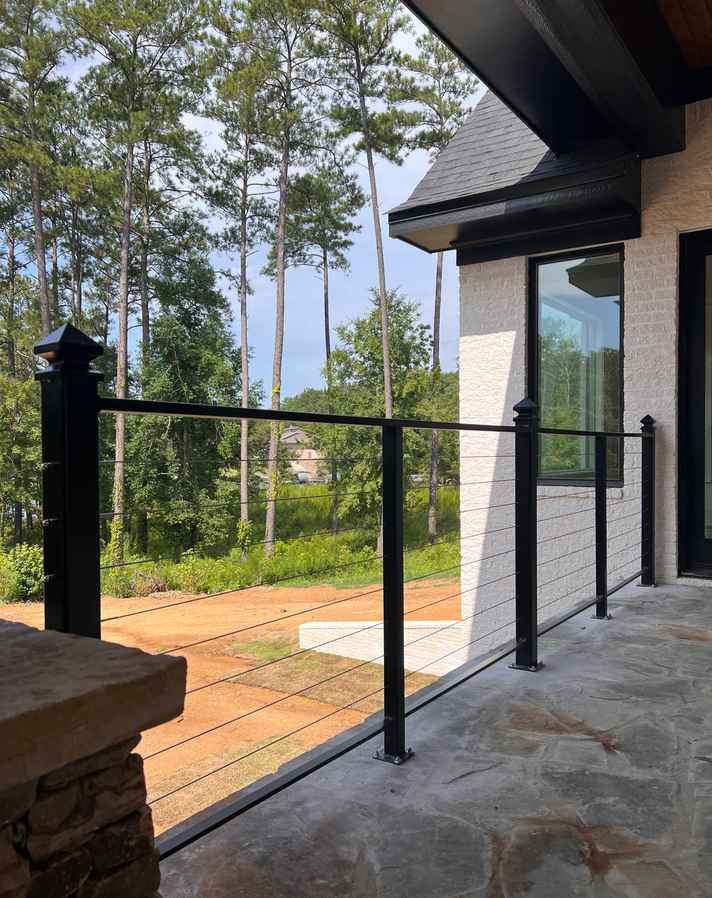
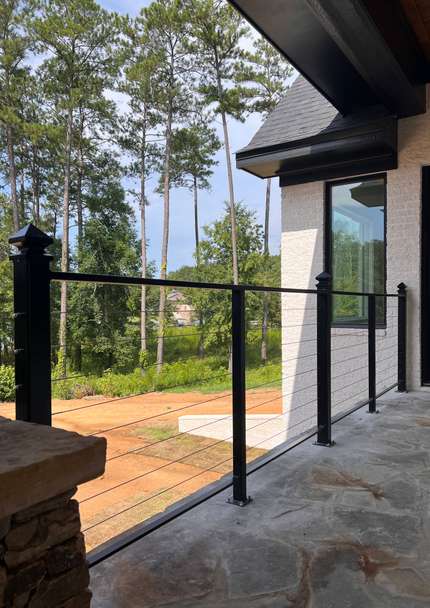
Cable railing uses stainless steel cables in place of traditional balusters. The result is a system that maintains open sightlines while still providing a code-compliant barrier. It's commonly used on elevated decks, staircases, and balconies where a solid railing would block visibility.
The performance of a cable system depends on how it's built. Posts need to be placed correctly, cables need to run straight, and tension has to be set properly. We build each system to handle daily use without sagging or shifting.
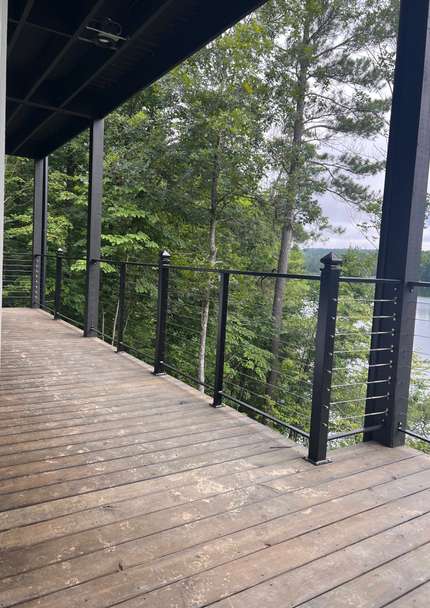
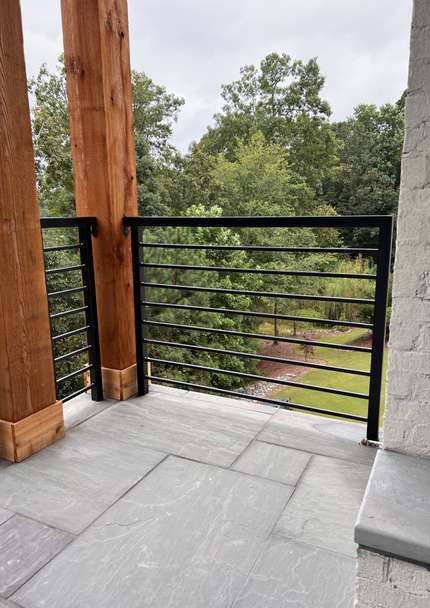
Where Cable Railing Works Best
Decks and Elevated Outdoor Spaces
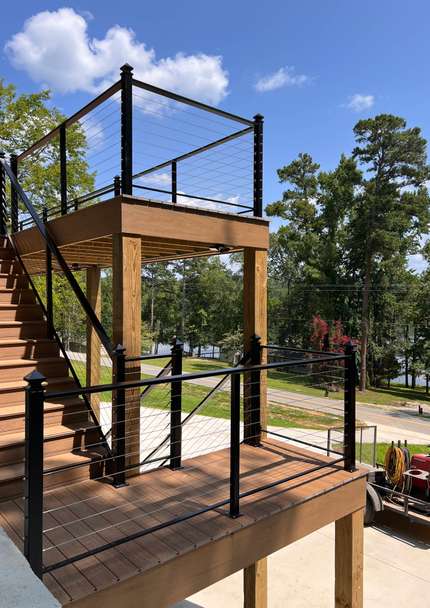
Cable railing is a strong fit for decks and raised outdoor areas. It allows you to see across the yard or surrounding property without interruption. We space posts based on the length of the run and the structural support available, so the cables stay tight across the entire span.
Interior Stairs and Loft Railings
Inside the home, cable railing works well along staircases and loft edges. We fabricate rails that follow the slope of the stairs and maintain consistent spacing. The system stays clean and does not interfere with movement through the space.
Balconies and Walkways
Balconies and elevated walkways require guardrails that meet safety requirements while keeping the area open. Cable railing provides that balance. We mount posts securely and run cables so they remain stable under use.
How Cable Railing Systems Are Built
A cable railing system consists of stainless steel cable, structural posts, and tensioning hardware. The cables are typically run horizontally between posts, though spacing and layout must follow code requirements.
Posts can be fabricated from steel, aluminum, or iron depending on the project. Each post is drilled to allow cables to pass through cleanly and remain aligned. At the ends of each run, we install fittings that allow the cables to be tensioned and secured.
The strength of the system comes from the combination of proper post spacing, solid anchoring, and correct cable tension.
Proper Tensioning and Why It Matters
Cable tension is what keeps the system functioning correctly. If cables are too loose, they will sag and fail to meet spacing requirements. If they are over-tightened, they can put stress on the posts and mounting points.
We set tension so the cables remain straight and stable without overloading the structure. Spacing between cables is also controlled so the system meets residential safety standards. After installation, the system should hold tension with only occasional adjustment over time.
Fabrication and Installation Process
Measuring and Layout
We start by measuring the full run of the railing, including height, span, and mounting surfaces. This determines post placement and cable layout.
Shop Fabrication
Posts are cut, drilled, and prepared in our shop. We make sure each cable pass-through is aligned so the finished system looks clean and functions properly.
Installation and Cable Tensioning
On site, we anchor posts to the deck, concrete, or structural framing. Once the posts are secure, we run the cables through and begin tensioning. Each line is adjusted so the system is consistent from end to end.
Before finishing, we check alignment and spacing across the entire run.
Material and Finish Options
Cable railing systems use stainless steel cable as the standard. Posts can be left as raw steel with protective coating or finished with powder coating depending on the project.
For outdoor installations, finishes are selected to resist moisture and surface wear. For indoor projects, the finish is chosen to match the surrounding space.
We'll go over these options during the estimate so you know what to expect.
Common Mistakes We Help Avoid
Cable railing looks simple, but mistakes during installation can cause problems later. We regularly see systems with posts spaced too far apart, cables that were never tensioned correctly, or weak mounting points that loosen over time.
DIY kits often don't account for structural requirements, which leads to sagging cables or unstable posts. By fabricating and installing each system ourselves, we avoid those issues from the start.
Residential and Commercial Cable Railing Projects
We install cable railing systems for homeowners, builders, and commercial clients in Hartselle and surrounding areas. Residential projects often include decks, porches, and interior stairs. Commercial work may involve walkways, balconies, and stair systems in offices or public spaces.
Each project is built to match the structure and meet the required safety standards.
Serving Hartselle and Morgan County
We serve Hartselle and nearby areas including Decatur, Priceville, Somerville, and Falkville. If you're planning a cable railing project in Morgan County, we can take a look at the space and provide a clear estimate.
FAQ
How much does cable railing cost in Hartselle, AL?
Most cable railing projects fall between $120 and $300 per linear foot depending on materials, layout, and complexity. Longer runs or custom post fabrication may affect the total cost. We provide pricing after measuring the project.
Is cable railing safe for homes with children?
Yes, when installed correctly. Cable spacing must meet building code requirements so that openings remain within allowed limits. Proper tension also prevents cables from being pushed out of position.
How tight do cable railings need to be?
Cables need to be tight enough to remain straight and resist movement, but not so tight that they strain the posts. We set tension during installation and check the system for consistency across the full run.
What materials are used in cable railing systems?
Most systems use stainless steel cable along with steel, aluminum, or iron posts. Hardware components are designed to allow for secure tensioning and long-term performance.
Does cable railing require maintenance?
Cable systems require occasional cleaning and may need minor re-tensioning over time. Stainless steel resists corrosion, which keeps maintenance relatively low.
Can cable railing be installed on wood decks?
Yes. We mount posts directly into structural framing beneath the deck surface. Proper anchoring is important to prevent movement over time.
How long does installation take?
Most residential cable railing installations take one to two days once fabrication is complete. Larger or more complex layouts may take longer.
Do you repair or tighten existing cable railings?
Yes. We can re-tension cables, replace damaged sections, or reinforce posts if the existing system is still structurally sound.
Elevate Your Projects with TADS Metalworks
Let’s discuss how we can collaborate to create something extraordinary. Contact us now and let your project begin its journey with TADS Metalworks!
Contact Now