Call us (256) 309-7560
  tadsmetalworks@gmail.com



Custom Iron Handrails Hartselle, AL: Ornamental, Wrought Iron & More
Your custom iron handrails should be solid, last for generations, and look gorgeous. They should mount correctly, follow the layout of your stairs or porch, and bring you joy every day. If this sounds like what you are looking for, call TADS Metalworks. We design, fabricate, and install iron handrails that are built for daily use, and whether the project is a short set of front steps or a full interior stair system, we build each rail to fit the structure it's going on.
If you already have a design in mind, we can price it out and get to work. If not, we'll walk through options and help you land on something that fits your space and budget.
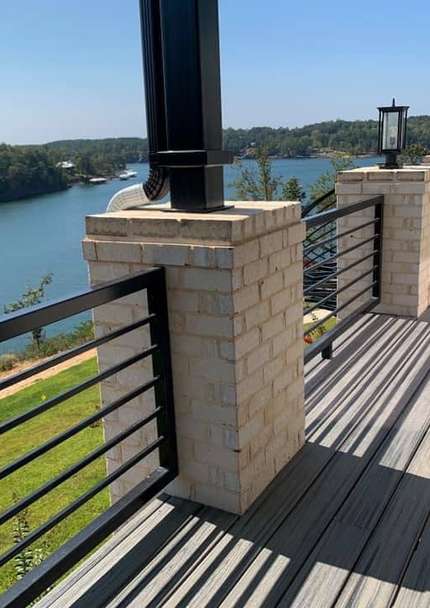
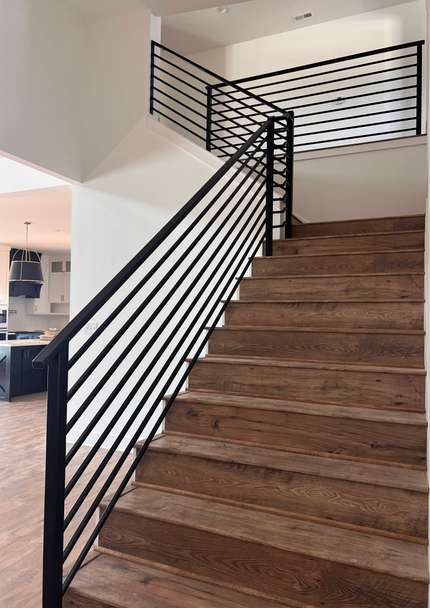
Handrails Built for Daily Use
A handrail is one of those features you don't think about until it breaks or leans. If it flexes, sits too low, or doesn't line up with the stairs, you notice it immediately. That's why we focus on how the rail will be used, not just how it looks.
We take measurements on site, build each section to match the slope and layout, and mount it so it stays in place. The goal is simple: when you grab the rail, it feels secure. That's the baseline for every project.
Where Iron Handrails Make the Biggest Difference
Entryways and Front Steps
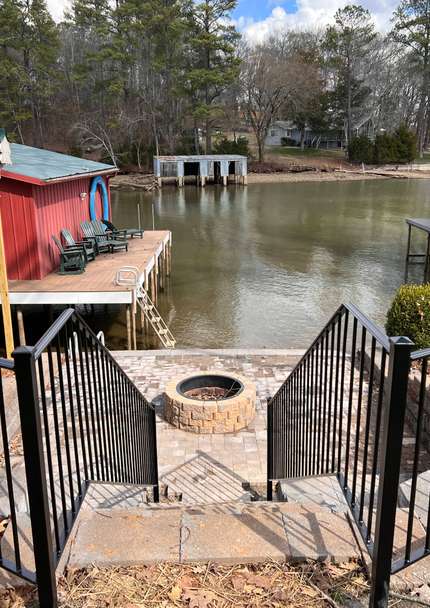
Front steps are one of the most common places for a handrail, and one of the most important. We build rails that anchor securely into concrete or masonry and follow the rise of the steps. The result is a stable point of support without getting in the way of the entry.
Interior Staircases and Loft Areas
Inside the home, handrails often run along longer staircases or wrap around landings. We build continuous rails that follow the layout cleanly, whether the stairs are straight or include turns. For lofts or second-story openings, we fabricate guardrails that tie into the space without feeling out of place.
Porches, Decks, and Raised Walkways
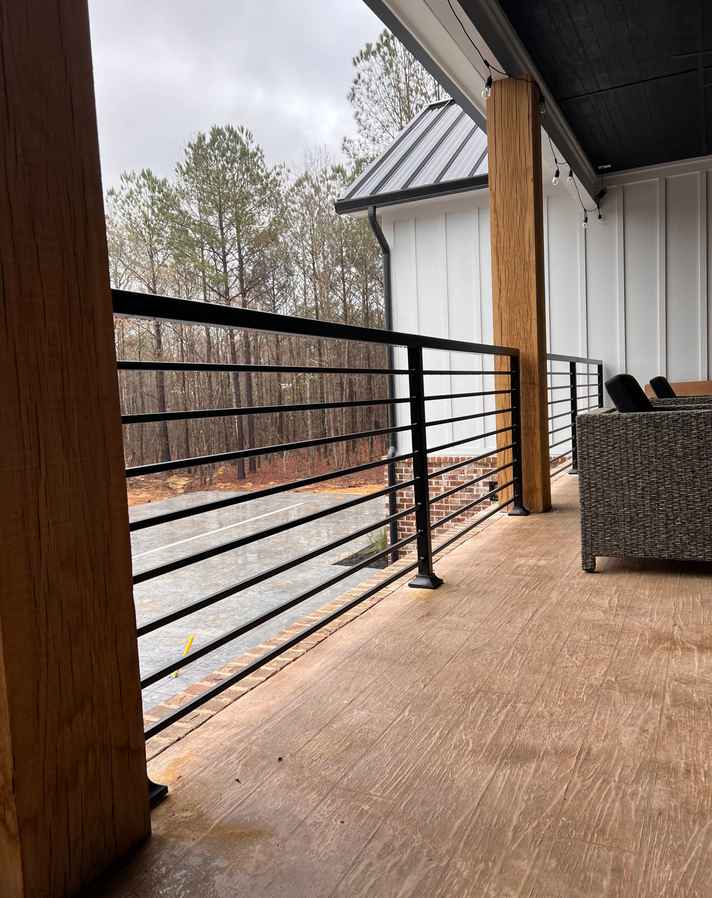
Outdoor spaces need rail systems that can handle exposure to rain and humidity. We fabricate porch and deck railings that mount securely and maintain their alignment. Whether it's a short set of steps or a full perimeter rail, we build it to hold up over time.
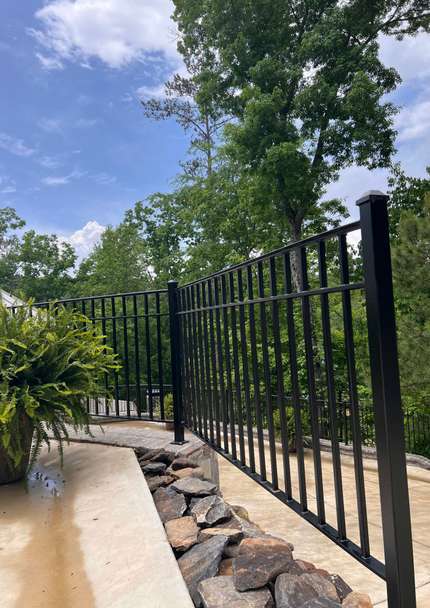
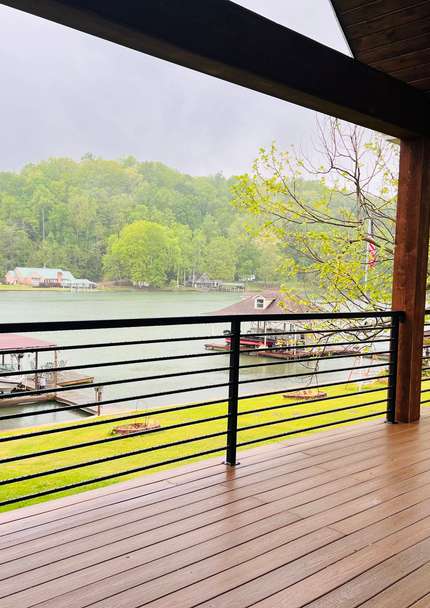
Material Choices and Fabrication Methods
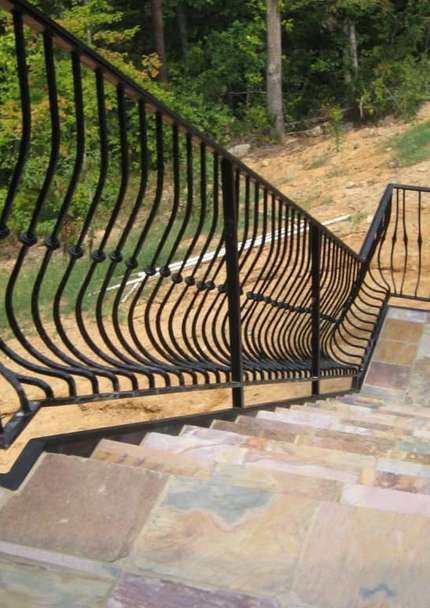
Iron handrails are typically built from steel or wrought iron components. Steel is consistent and works well for straight runs and simple layouts. Wrought iron allows for more shaping, which is useful for curved sections or decorative elements.
We use a combination of bar stock, tubing, and forged pieces depending on the design. During fabrication, we cut each component to size, weld the sections together, and grind the welds so the transitions are smooth. The rail is then prepared for its final finish.
For outdoor installations, we apply coatings that help protect against corrosion. For indoor work, the finish is selected based on the surrounding space.
Simple, Ornamental, or Somewhere In Between
Straightforward Rail Systems
Some projects call for a clean, direct layout with minimal detailing. Straight bars, evenly spaced posts, and simple lines work well in many homes and commercial settings. These systems are efficient to fabricate and install, and they hold up well over time.
Patterned and Decorative Work
For clients who want more detail, we can incorporate scrolls, repeated patterns, or geometric layouts. These designs are built in sections and welded into the overall rail system so everything remains solid.
Matching Existing Features
If your property already has ironwork in place, we can match it. That includes gates, fences, or older handrails. We take measurements and recreate the pattern so the new section blends with what's already there.
How We Build and Install Iron Handrails
Measuring and Layout
We start by measuring the exact run of the stairs or edge of the surface. That includes height, slope, and mounting points. Getting this right upfront prevents problems later.
Shop Fabrication
Back in the shop, we cut, shape, and weld each section. Straight runs are handled with precision cutting tools, while more detailed sections may involve forging or bending. After welding, we clean up the joints and prep the surface for finishing.
Installation and Final Fit
Once fabrication is complete, we install the rail on site. Posts are anchored securely, and each section is aligned with the stairs or edge it follows. Before we wrap up, we check the entire system to make sure everything is stable and consistent.
Outdoor Durability in Hartselle Conditions
In Hartselle, outdoor metalwork needs to handle humidity, rain, and temperature changes. We use coatings and finishes that help protect the metal and reduce long-term wear. With basic upkeep, an iron handrail will hold its appearance and performance for years.
Repair, Replacement, and Add-On Work
Not every job starts from scratch. We often replace old wood railings with iron systems, repair damaged sections, or extend existing rails. If the current structure is still usable, we can tie new work into it and reinforce what's already there.
For older metal rails, we can also address loose connections, worn welds, or alignment issues.
Working With Homeowners and Builders
We work directly with property owners as well as builders and remodelers. For homeowners, that means clear communication and a straightforward process from measurement to installation. For builders, it means coordinating timing so the rail system is ready when the project reaches that stage.
Everything is discussed upfront so there are no surprises during fabrication or installation.
Serving Hartselle and Morgan County
We serve Hartselle and surrounding areas including Decatur, Priceville, Somerville, and Falkville. If you're in Morgan County and need a custom iron handrail, we can take a look at the space and provide a detailed estimate.
FAQs Regarding Custom Handrails in Hartselle, AL
How much do custom iron handrails cost in Hartselle, AL?
Most residential handrail projects fall between $1,200 and $3,500 depending on length, material, and design. Larger or more detailed rail systems may cost more. We provide pricing after measuring the space and confirming the design.
What's the difference between wrought iron and steel handrails?
Steel is typically used for straight, simple rail systems and offers consistent strength. Wrought iron can be shaped more easily, which makes it better for curved or decorative designs. Many projects use a combination of both.
How long does it take to build and install a handrail?
After measurements and design approval, most handrails take one to three weeks to fabricate. Installation is usually completed in a single day.
Can you match an existing railing design?
Yes. We can replicate patterns, spacing, and proportions so the new railing matches existing metalwork on your property.
What finishes hold up best outdoors?
Powder coating and similar protective finishes work well for outdoor railings. These coatings help protect the metal from moisture and reduce maintenance.
Do handrails need to meet building code requirements?
Yes. Handrails must meet height, spacing, and mounting requirements based on local building codes. We build and install systems that follow those standards.
Can you replace an old wood or metal railing?
Yes. We remove the existing railing and install a new iron system in its place. We also adjust mounting points if needed to improve stability.
Do you work on small projects or repairs?
Yes. We handle smaller handrail installations, repairs, and extensions. If the project involves metal fabrication or welding, we can take a look and provide options.
Elevate Your Projects with TADS Metalworks
Let’s discuss how we can collaborate to create something extraordinary. Contact us now and let your project begin its journey with TADS Metalworks!
Contact Now